Salad Jar Science for Gym Goers

For anyone balancing workouts, work, and daily responsibilities, eating well can feel harder than training itself. That is where salad jars become surprisingly useful. They are simple, portable, and easy …
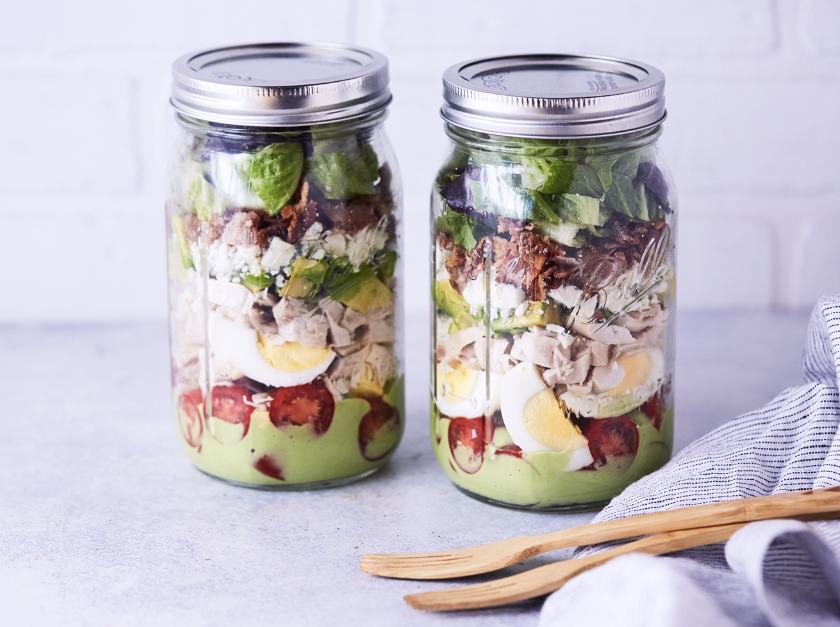
The idea is straightforward. A salad jar is a layered meal packed into a container, often a tall glass jar, with ingredients arranged in a specific order. This order matters more than many people realize. The layering helps protect delicate ingredients from moisture, keeps crunchy textures intact, and makes the meal more appealing when it is time to eat. That matters because even the most nutritious meal is less helpful if it turns soggy and unappetizing before lunch.
At the bottom of the jar, dressing usually goes first. This is the wettest part of the meal, so it stays away from leafy greens until the last moment. Above that come sturdy ingredients that can handle contact with moisture, such as chopped cucumbers, carrots, beans, chickpeas, quinoa, brown rice, or pasta. These foods act like a buffer zone. They help separate the dressing from the softer ingredients above. Then come proteins such as grilled chicken, turkey, tofu, boiled eggs, tuna, or edamame. Near the top, it makes sense to place fragile vegetables and greens like spinach, lettuce, arugula, or spring mix. When the jar is opened and poured into a bowl, the dressing moves through the ingredients and coats everything more evenly.
For gym goers, this structure can be especially useful because it supports meal planning with fewer surprises. After a workout, many people need a meal that feels refreshing but still satisfying. A well-made salad jar can include protein for fullness, carbohydrates for energy, fats for flavor, and fiber from vegetables and grains. That combination supports steady energy and makes it easier to stay on track with regular eating habits. It is not about chasing perfection. It is about making the next good choice easier.
Protein is often the first thing active people think about, and for good reason. It helps make meals more filling and pairs well with a training-focused routine. In a salad jar, protein also adds substance so the meal does not feel like a side dish pretending to be lunch. Chicken breast, salmon, tofu, cottage cheese, lentils, and beans can all work well depending on taste and storage preferences. The key is to choose a protein that holds its texture in the fridge and fits comfortably with the other ingredients. Dry, overcooked chicken will not improve just because it is in a pretty jar, so preparation still matters.
Carbohydrates also deserve a place in the conversation. Some people hear the word salad and assume the meal should be as light as possible, but that often leads to hunger an hour later. Gym goers usually do better with meals that include enough fuel to feel satisfying. Quinoa, sweet potato, brown rice, couscous, black beans, and whole grain pasta can all make a salad jar more balanced. These ingredients also help with texture, giving the meal a more complete and hearty feel.
Texture is one of the most overlooked parts of healthy eating. People often lose interest in meal prep not because the food is bad, but because it feels repetitive and flat. Salad jars solve part of that problem by making contrast easier to manage. Crisp vegetables, soft grains, tender protein, creamy dressing, and a little crunch from seeds or nuts can turn a basic lunch into something genuinely enjoyable. That sensory side of eating matters more than most meal plans admit. Enjoyable meals are easier to repeat, and repeatable habits usually matter more than flashy short-term efforts.
Color also plays a role. A jar filled with deep greens, bright orange carrots, red peppers, purple cabbage, and golden grains looks fresh and inviting. That visual appeal can encourage better consistency with meal prep, especially on busy weekdays. It is not just about making food look pretty for social media. It is about creating meals that feel worth eating. When healthy food looks lively and appetizing, it stops feeling like a punishment and starts feeling like support.
Food safety is another reason salad jars are popular. When ingredients are packed correctly and kept chilled, they can be a practical make-ahead option for several days. That means fewer rushed decisions and less food waste. Still, freshness matters. Proteins should be cooked and stored properly, and jars should stay refrigerated until mealtime. Using clean containers and fresh ingredients helps keep the meal both safe and enjoyable.
Another advantage is portion awareness without making eating feel overly strict. Because the jar has a clear size limit, it naturally encourages balance. There is room for greens, room for protein, room for grains, and room for dressing, but not much extra space for random add-ons that throw the meal off course. This can help people build more mindful meals without needing to weigh every bite or turn lunch into math homework.
In the end, salad jar science is really about making healthy eating more realistic. The layers protect texture, the ingredients can be balanced for an active lifestyle, and the format makes preparation easier during a busy week. For gym goers, that matters. Progress is often built on routines that are simple enough to repeat, not on dramatic plans that fall apart after three days. A good salad jar will not do the workout for you, but it can make the nutrition side of your routine feel lighter, smarter, and far more manageable. When a meal is easy to prepare, enjoyable to eat, and ready when you need it, consistency has a much better chance to grow.