How to Build a Better Snack Box

A good snack box can make a busy day feel much easier. It helps you stay prepared, avoid random food choices, and enjoy something tasty when hunger shows up between …
The best snack box is not about filling a container with anything you can find in the kitchen. It works better when it includes a mix of foods that taste good together, travel well, and feel satisfying. When you build it with a little thought, it becomes something you actually look forward to eating instead of just grabbing because it is there.
A smart place to begin is with balance. Many people enjoy a snack more when it includes different textures and flavors. A snack box with only dry crackers or only fruit may not feel complete. But when you combine something crisp, something creamy, and something naturally sweet or savory, the whole box feels more interesting. For example, apple slices with peanut butter and a few whole grain crackers can feel much more enjoyable than eating any one of those foods alone. Cheese cubes with grapes and a handful of pretzels can create the same effect. It is the combination that makes the snack box feel thoughtful.
Another helpful idea is to choose foods that hold up well over time. Since snack boxes are often packed in advance, it helps to use ingredients that stay fresh long enough to make your prep worthwhile. Carrot sticks, cucumber slices, grapes, orange segments, roasted chickpeas, trail mix, crackers, boiled eggs, and cubed cheese are all common choices because they are easy to portion and easy to carry. If you are including foods that need to stay cold, an insulated lunch bag or a small ice pack can make a big difference.
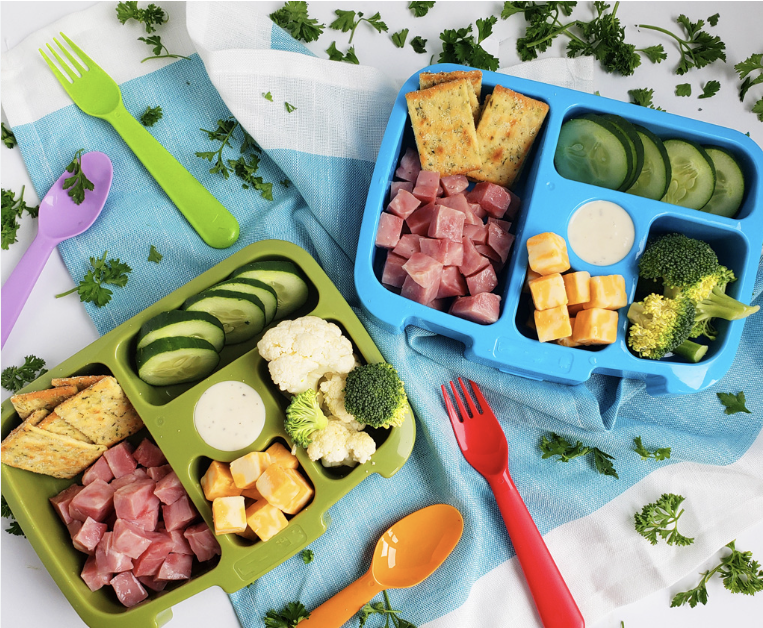
Portion size also matters. A better snack box is not necessarily a bigger snack box. When a container is packed too tightly, it can feel messy and less appealing. A box with small sections or reusable cups can help keep each item neat and visible. That makes the snack feel more inviting. It also helps you enjoy a variety of foods without overpacking. A few slices, a small handful, or a modest scoop is often enough to create a satisfying break in the day.
Color can make a snack box more fun without adding extra effort. Bright ingredients often help the box feel fresh and appealing. Red strawberries, orange bell peppers, green cucumbers, pale cheese cubes, and golden crackers can turn a plain snack into something that looks cheerful and homemade. This may sound simple, but visual appeal really does matter. People are more likely to eat what they prepare when it looks inviting.
Variety is another important part of building a better snack box. If you pack the exact same combination every day, even your favorite foods can start to feel dull. A simple way to keep things interesting is to rotate ingredients while keeping the same general structure. One day you might pack yogurt, berries, and granola. The next day you could try crackers, turkey slices, and grape tomatoes. Another day might include banana slices, sunflower seed butter, and a small muffin. The pattern stays easy, but the flavors change enough to keep it fresh.
It is also useful to think about convenience. A snack box should make your day easier, not create extra stress. Choose containers that are simple to wash and easy to open. Use ingredients that do not require too much last-minute preparation. Washing fruit, slicing vegetables, and portioning dry snacks ahead of time can save effort later in the week. Many people find that preparing two or three snack boxes at once is easier than starting from scratch every morning.
When building your snack box, it helps to include foods you truly enjoy. Sometimes people pack snacks based only on what seems practical, then end up ignoring them and buying something else later. A better snack box should still feel personal. If you like crunchy foods, lean into that with crackers, popcorn, or sliced vegetables. If you prefer softer snacks, try yogurt, banana slices, or cheese. If you enjoy sweet flavors, include fresh fruit, dried fruit, or a homemade oat bite. If savory choices are more your style, try roasted nuts, cheese, or hummus with pita pieces. The goal is not perfection. The goal is to create a snack box you will actually want to eat.
A little planning can also help reduce waste. Instead of packing large amounts of food that may come home untouched, start with smaller portions and adjust over time. Pay attention to what gets eaten first and what gets left behind. That gives you useful information for the next box. Over time, you will build your own favorite combinations and waste less food in the process.
A better snack box does not need expensive ingredients or complicated recipes. In fact, some of the best ones are built from simple foods already in the kitchen. A sliced apple, a few crackers, a spoonful of nut butter, and a small handful of nuts can be enough. What matters most is that the box is easy to carry, pleasant to eat, and thoughtfully packed.
In the end, building a better snack box is really about making daily life smoother. It gives you a ready option when hunger appears, adds a little comfort to a busy schedule, and helps turn ordinary ingredients into something practical and enjoyable. With a little balance, variety, and planning, your snack box can become one of the easiest upgrades to your everyday routine.