Foam Roll Flow and Fuel Checklist

A good workout routine is not only about the minutes spent lifting, running, stretching, or sweating. It is also about the care that happens before and after movement. That is …
Foam rolling is often described as a recovery tool, but it can also be useful as part of a warm-up. The gentle pressure of a foam roller can help bring awareness to tight areas and encourage your muscles to relax before activity. Many people notice that when they move through a short foam roll flow, their body feels less stiff and more ready to exercise. This can be especially helpful after long hours of sitting, busy workdays, or travel. A short session may help your legs feel lighter, your back feel less tense, and your overall movement feel more comfortable.
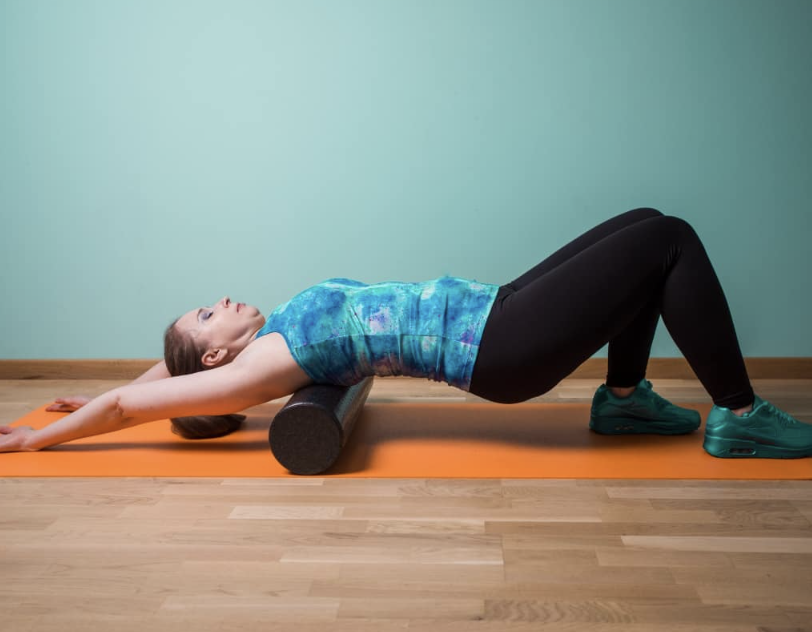
A simple foam roll flow does not need to take a long time. In many cases, five to ten minutes is enough. You can begin with your calves, rolling slowly from ankle to knee and pausing when you find a tender spot. From there, move to the hamstrings and then the front of the thighs. The glutes can also benefit from gentle rolling, especially if you sit for much of the day. Some people like to finish with the upper back, moving carefully and keeping the motion controlled. The goal is not to rush. The body responds best when the movement is steady and the pressure feels manageable rather than harsh.
One helpful way to think about foam rolling is as a check-in with your body. On some days, your legs may feel heavy from walking or training. On other days, your shoulders or upper back may feel tight from desk work. A foam roll flow lets you notice these areas before they become more distracting. It can also encourage better body awareness, which often supports better exercise form. When you know where you feel tight or tired, you can move with more intention and make small adjustments that keep your routine feeling safer and more enjoyable.
Of course, recovery and performance are not only about muscle care. Fuel matters just as much. A good fuel checklist helps you remember the basics that keep energy steady and support recovery after movement. It does not have to be strict or trendy. In most cases, it simply means making sure your body has enough hydration, enough protein, enough carbohydrates, and enough consistency throughout the day. When these needs are met, workouts often feel less draining and recovery may feel more complete.
Hydration is one of the easiest items to overlook, especially on busy days. If you begin a workout already low on fluids, it can be harder to feel your best. That is why one of the first items on a fuel checklist should be a simple hydration check. A glass of water in the morning, regular sips during the day, and extra fluids around exercise can help build a stronger foundation. If you are exercising in heat or sweating more than usual, paying attention to fluids becomes even more important. A well-hydrated body tends to handle activity better and recover more comfortably afterward.
Food before exercise does not need to be complicated either. A small meal or snack that includes easy-to-digest carbohydrates with a little protein can work well for many people. Something like yogurt with fruit, toast with peanut butter, or oatmeal with banana can offer practical energy without feeling too heavy. The right choice depends on your schedule and your comfort, but the main idea is to avoid starting exercise completely empty if that leaves you feeling weak or distracted. A little planning can help your movement feel more supported and more enjoyable.
After exercise, the fuel checklist continues. Recovery meals and snacks matter because they help the body rebuild and restore energy. Protein supports muscle repair, while carbohydrates help refill energy stores. This does not need to look perfect. A balanced meal with rice, eggs, chicken, tofu, beans, vegetables, or fruit can all play a role. What matters most is regular nourishment rather than chasing an overly strict idea of eating. Friendly, realistic habits usually last longer than extreme plans.
When foam rolling and smart fueling come together, they create a rhythm that supports both movement and recovery. The roller helps you pay attention to how your body feels, while the fuel checklist helps you respond to what your body needs. This combination can be useful whether you are training seriously, trying to stay active during a busy week, or simply building a healthier routine. It is not about doing everything perfectly. It is about making small, repeatable choices that help you feel more comfortable in your body.
A helpful mindset is to keep both systems simple enough that you will actually use them. Your foam roll flow can be the same short sequence most days, with a little extra time on areas that feel tight. Your fuel checklist can be a few basic reminders such as drink water, eat a balanced snack before movement if needed, and include protein and carbohydrates after exercise. These habits may sound small, but they often create the kind of consistency that leads to better results over time.
In the end, fitness is easier to maintain when it feels caring instead of punishing. A foam roll flow can make movement feel more relaxed and more connected. A fuel checklist can make energy and recovery feel more reliable. Together, they support a routine that is practical, friendly, and easier to keep. When you treat preparation and recovery as part of the workout itself, your body often thanks you with steadier energy, better comfort, and a more sustainable path forward.