Desk Stretch Circuit and Snack Rotation

Long workdays at a desk can quietly drain energy, tighten muscles, and make healthy choices feel harder than they should. Many people start the morning with good intentions, then get …
A desk stretch circuit is exactly what it sounds like: a short series of gentle movements you can do near your workspace to break up long sitting periods. The goal is not to turn the office into a gym or create a sweaty workout session in the middle of a meeting-filled afternoon. The goal is to help your body reset. Sitting for long periods can leave the neck stiff, shoulders rounded, back tired, and hips tight. Even a few minutes of movement can help you feel more awake and more comfortable. When your body feels better, your focus often improves too.
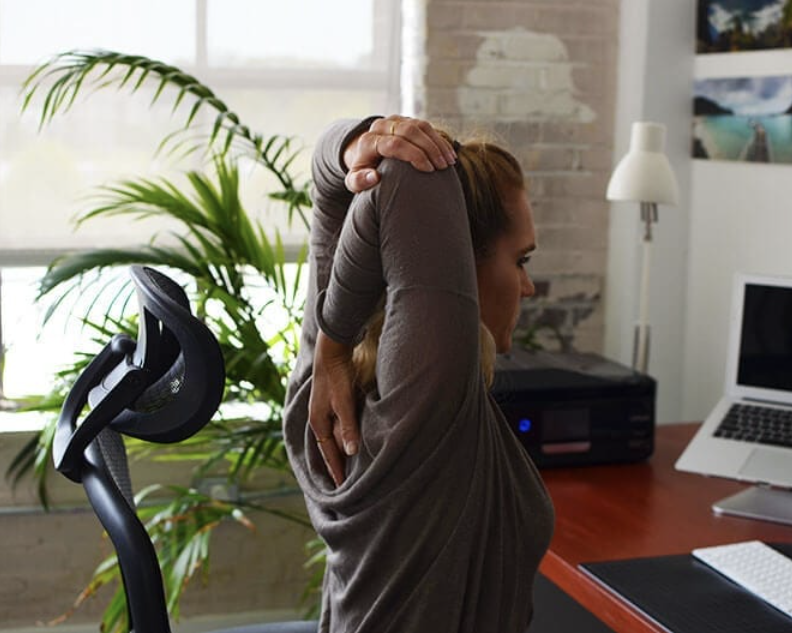
One of the best parts about a desk stretch circuit is that it can be short and still feel effective. You might begin with a slow neck stretch, gently tipping your head from side to side while breathing calmly. Then roll the shoulders backward a few times to release tension from typing and screen time. A seated spinal twist can help wake up the mid-back, especially after long hours of leaning toward a computer. Standing calf raises and hamstring stretches can bring some movement into the lower body, while wrist circles and finger stretches give attention to areas that work hard all day. None of these movements need to be forced. A friendly routine works best when it feels gentle and refreshing rather than intense.
The real secret is consistency. A five-minute stretch break done two or three times during the day can be more realistic than a plan that sounds impressive but never happens. Try linking the circuit to parts of your schedule that already repeat. You might stretch after checking your morning messages, before lunch, and during the late afternoon when energy starts to dip. This turns movement into part of the workday rhythm instead of something extra you feel guilty for skipping. Over time, that rhythm can become something your body starts to look forward to.
Snack rotation works in a similar way. Instead of waiting until you are overly hungry and grabbing the first sugary or salty option nearby, you create a small pattern of snacks that are easy, satisfying, and varied enough to keep boredom away. Rotation matters because even healthy foods can start to feel unappealing if you eat the same thing every day. A smart rotation gives you convenience without monotony. It also helps with planning, which can make busy weekdays feel less chaotic.
A balanced snack often includes a mix of protein, fiber, and steady energy. That could mean apple slices with peanut butter one day, yogurt with fruit the next day, and a handful of nuts with whole grain crackers on another. You could rotate in sliced cucumbers with hummus, cheese with grapes, or a simple homemade trail mix. The point is not to follow strict food rules. It is to create a set of reliable options that help you feel satisfied and supported during your work hours. When snacks are chosen with a little care, they can help reduce the crash that sometimes comes after long gaps without eating.
Pairing your desk stretch circuit with snack rotation can be especially helpful because the two habits support each other. After a short stretch break, you are often more tuned in to how you actually feel. You may notice that you are thirsty, low on energy, or just mentally tired. That awareness can guide a better choice. Instead of automatically reaching for something out of habit, you can pause and choose a snack that fits the moment. Some days you may want something crunchy and fresh. Other days you may want something a little more filling. Having a small rotation ready makes that choice easier.
This routine can also bring a sense of structure to the workday. Many people do well when healthy habits feel organized but not rigid. For example, you might keep three or four snack options ready at the start of the week and alternate them across different days. At the same time, you can keep a simple stretch sequence in mind so you never have to wonder what to do. When both systems are simple, they remove decision fatigue. That matters more than most people realize. The fewer obstacles a habit has, the more likely it is to stick.
It is also worth remembering that small routines can affect mood as much as comfort. A short stretch session can feel like a reset button during a stressful day. A planned snack can feel reassuring when meetings run long or lunch gets delayed. These are not dramatic changes, but they are meaningful ones. Healthy workday habits do not always need to look big to be valuable. Sometimes the quiet routines are the ones that help the most.
If you want to get started, begin with what feels manageable. Choose four or five stretches you enjoy and practice them in a short circuit. Then choose three or four snack ideas that are easy to prepare and pleasant to eat. Keep the process flexible. You are building a supportive routine, not trying to create a perfect system. Some days will go smoothly and others will not, and that is completely normal.
A desk stretch circuit and snack rotation can turn an ordinary workday into one that feels a little more balanced, a little more comfortable, and a lot more sustainable. When movement and nourishment become part of the day instead of afterthoughts, it becomes easier to care for yourself while still getting things done. That is what makes this approach so practical. It fits real life, and real life is exactly where good habits need to work.