Cardio Climbs and Potassium Rich Plates

Building a healthy routine does not always require fancy equipment, strict schedules, or complicated meal plans. Sometimes the most effective approach is also the most practical. Cardio climbs and potassium …
Cardio climbs can mean many things. For some people, it is walking up hills in the neighborhood. For others, it is using stairs at work, taking an incline treadmill session at the gym, or hiking on weekends. The shared theme is upward movement that raises the heart rate in a steady, manageable way. Climbing adds challenge without making exercise feel overly complicated. It turns an ordinary walk into something more energizing and purposeful.
One reason cardio climbs are so appealing is that they can suit different fitness levels. A beginner might start with a few flights of stairs or a gentle incline for ten minutes. Someone with more experience might add longer hill walks or intervals that mix faster efforts with slower recovery. This flexibility makes climbing workouts easy to personalize. You do not need to chase perfection. You only need to choose a level that feels realistic and repeatable.
There is also a mental benefit to this kind of movement. Climbing naturally gives a sense of progress because each step carries you forward and upward. That small physical challenge can feel refreshing, especially after long hours of sitting or staring at screens. A short climb during the day can help break up routine, improve focus, and create a feeling of momentum that extends beyond the workout itself.
Of course, movement is only part of the story. Food matters just as much, especially after a session that leaves you warm, hungry, and ready to recharge. That is where potassium rich plates come in. Potassium is a mineral found in many everyday foods, and it plays an important role in normal muscle and nerve function. It is also part of a balanced eating pattern that supports active living. Rather than thinking about individual nutrients in a complicated way, it often helps to focus on meals built from whole foods that naturally contain them.
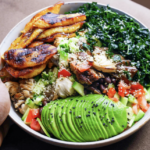
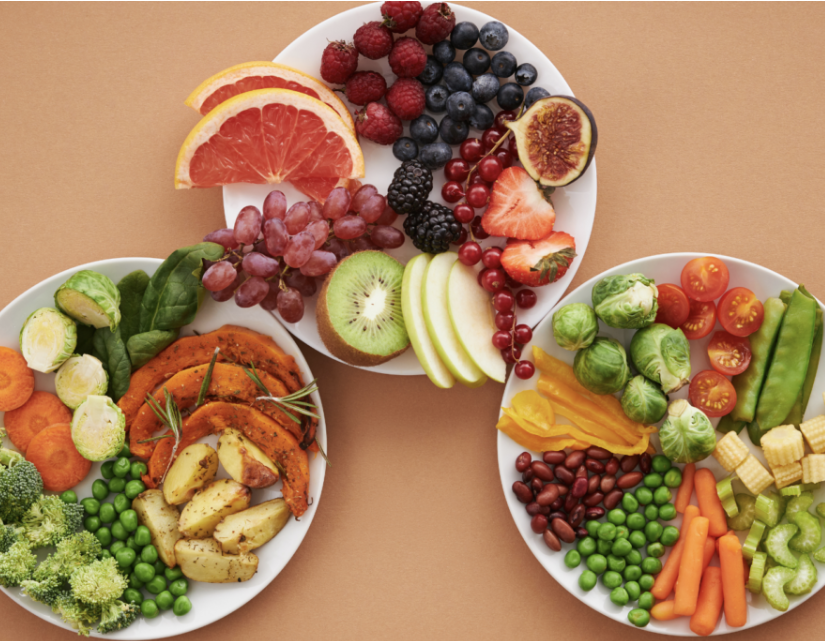
When people hear the word potassium, bananas usually come to mind first. Bananas are certainly a convenient option, but they are far from the only one. Potatoes, sweet potatoes, spinach, beans, yogurt, avocados, tomatoes, oranges, and melon can all help bring variety to the table. A potassium rich plate does not have to look extreme or trendy. It can be as simple as grilled chicken with roasted sweet potatoes and steamed greens, or a rice bowl with beans, avocado, tomatoes, and sautéed vegetables.
What makes these plates especially useful is that they often combine comfort, color, and staying power. After cardio climbs, many people want food that feels nourishing rather than heavy. A balanced meal with vegetables, a source of protein, quality carbohydrates, and naturally potassium rich ingredients can feel both satisfying and practical. It supports recovery while still tasting like real food you would happily make again.
A good way to think about meal building is to keep it easy. Start with a base such as brown rice, quinoa, potatoes, or whole grain toast. Add a protein like eggs, fish, chicken, tofu, yogurt, or beans. Then include produce that brings both flavor and nutrition. Sliced avocado, roasted tomatoes, leafy greens, or fruit on the side can turn a basic meal into something more complete. This approach makes healthy eating feel flexible rather than strict.
Timing can matter too, but it does not need to become stressful. If you do a climb in the morning, a breakfast with fruit, yogurt, oats, or eggs can be a pleasant follow-up. If you exercise later in the day, lunch or dinner can do the job just as well. The goal is not to chase a perfect schedule. It is to create a pattern where movement and meals support each other naturally.
Hydration also deserves attention, especially when exercise happens in warm weather or after a busy day. Water is often the simplest choice, and pairing it with balanced meals can help you feel more refreshed. Many potassium rich foods also fit well into light snacks. A banana with yogurt, a baked potato with a simple topping, or a smoothie made with fruit and spinach can all be approachable options when you want something quick.
Another advantage of this lifestyle pairing is sustainability. Cardio climbs do not require an expensive trend, and potassium rich plates do not require specialty ingredients. Both can be adapted to the budget, schedule, and food preferences of the person using them. That makes the habit easier to maintain over time. Healthy routines tend to last longer when they feel familiar and enjoyable instead of overly strict.
It is also worth remembering that small efforts add up. A brisk stair session during a lunch break and a balanced dinner at home may not seem dramatic in the moment, but consistent choices often make the biggest difference. Wellness is usually built through ordinary actions repeated with care. Climbing one more hill, cooking one more colorful meal, and choosing one more steady routine can gradually shape a healthier lifestyle.
Cardio climbs and potassium rich plates work well together because they speak the language of everyday health. Move in a way that challenges you without overwhelming you. Eat meals that are colorful, balanced, and grounded in real ingredients. Keep the process friendly, simple, and realistic. Over time, that combination can feel less like a short term plan and more like a natural part of living well.