Protein Pancakes That Actually Work

Protein pancakes sound like the perfect breakfast. They promise comfort, convenience, and a little extra staying power compared with a basic stack made from white flour alone. The problem is …
A good protein pancake starts with realistic expectations. Protein powder is helpful, but it is not flour. It does not behave the same way, and it cannot carry a batter on its own. When a recipe depends too heavily on powder, the pancakes often become dense, chalky, or strangely dry. That is why the best version usually combines a protein source with ingredients that bring tenderness and structure. Eggs help bind everything together. Oats or flour give the batter body. Banana, yogurt, or milk help keep the texture soft. A small amount of baking powder adds lift so the final result feels like breakfast and not a brick.
Flavor matters just as much as texture. Many people stop at “high protein” and forget that food should still be enjoyable. Pancakes work best when they taste warm, familiar, and lightly sweet rather than overly artificial. Vanilla protein powder is often easier to work with than strongly flavored options because it blends into the batter without overpowering it. Cinnamon can make a simple recipe taste more rounded and comforting. A pinch of salt is small but important because it helps everything else taste better. Even if you are keeping the recipe simple, these little choices make a big difference.
One of the easiest ways to make protein pancakes that actually work is to build the batter from whole ingredients first, then let the protein support the recipe rather than dominate it. For example, a very reliable combination is mashed banana, eggs, oats, a spoonful of yogurt, a scoop of protein powder, and a little baking powder. The banana adds moisture and gentle sweetness. The oats create a pleasant, hearty texture. The eggs help hold the pancakes together. The yogurt softens the batter and keeps the inside tender. Once blended, the mixture should look thick but pourable. If it is too stiff, a small splash of milk can fix it. If it is too thin, a spoonful of oats can bring it back.
The pan also matters more than people think. A nonstick pan or well-seasoned griddle makes the entire process easier. Medium to low heat is better than rushing with a hot pan. Protein-rich batter browns quickly, so lower heat gives the center time to cook without burning the outside. When the batter hits the pan, small pancakes are usually the smarter choice. They are easier to flip and less likely to tear. Once bubbles begin to form and the edges look set, that is the moment to turn them. If you try too early, they may collapse. If you wait too long, they can dry out. A calm pace usually leads to the best stack.
Another reason some protein pancakes fail is that the batter gets no rest. Oats and protein powder both absorb moisture over time, so resting the batter for a few minutes can improve texture. It allows everything to hydrate and settle, which often creates a smoother and more stable pancake. This is a small step, but it is one of those practical habits that makes a homemade recipe feel more dependable. When people say a recipe “just works,” it is usually because little details like this were respected.
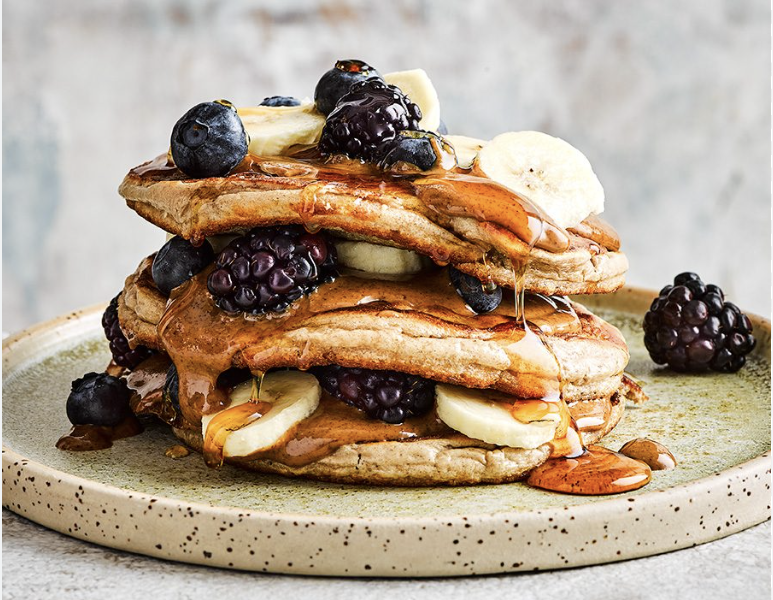
Toppings can either help the meal or hide a bad pancake. If the pancake itself is balanced and soft, you do not need to cover it with too much. A spoonful of Greek yogurt, fresh berries, sliced banana, or a light drizzle of maple syrup is often enough. Nut butter can add richness, especially if the pancakes are meant to keep you full through a busy morning. The key is to complement the pancake, not bury it. When the base is good, simple toppings feel more satisfying.
These pancakes are especially useful for busy days because they feel comforting while still being practical. They fit well into a regular routine without making breakfast complicated. You can make a fresh batch on a slower morning, or prepare a double portion and store extras in the refrigerator for later. They reheat well in a pan or microwave, and that makes them a realistic option for people who want a quick breakfast without relying on packaged foods every day. A recipe only becomes truly helpful when it can survive real life, and protein pancakes can do that when they are made with ease in mind.
What makes them worth repeating is not just the protein. It is the way they combine convenience with a familiar breakfast experience. They can feel a little more substantial than standard pancakes, but they should still be soft enough to cut with a fork and enjoyable enough that you look forward to them. That is the point. Breakfast should support your day, not test your patience.
Protein pancakes that actually work are usually the result of a few smart choices instead of one magic ingredient. Use protein powder as part of the recipe, not the whole recipe. Keep enough moisture in the batter. Cook them gently. Make them small enough to flip with confidence. Let flavor matter. When these basics come together, the result is a stack that feels warm, filling, and genuinely good. That is when protein pancakes stop being a trend and start becoming something you will want to make again.