The 80 20 Rule for Fitness and Food

Trying to live healthier can feel overwhelming when every new trend seems to ask for perfect meals, perfect workouts, and perfect discipline every single day. That pressure is exactly why …
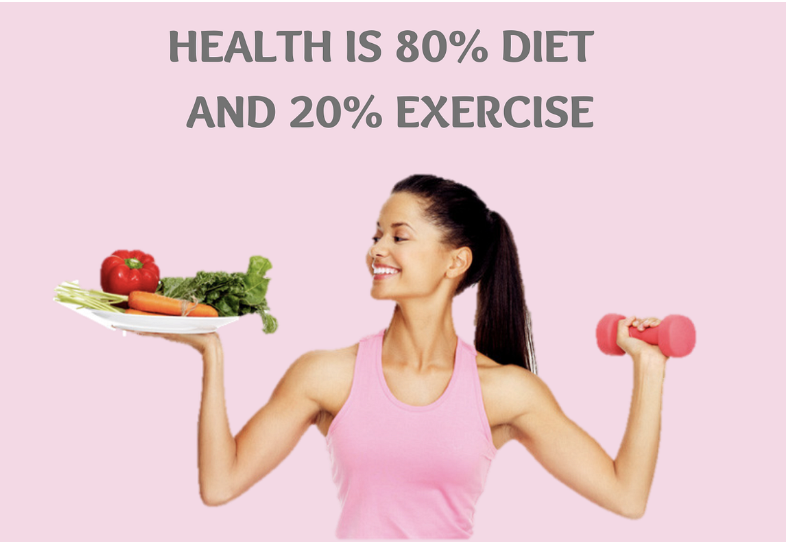
The 80 20 rule is a simple idea. About eighty percent of the time, you focus on choices that support your goals. The other twenty percent leaves room for flexibility, enjoyment, and real life. Instead of treating health like a strict set of rules, this approach helps you build routines that you can actually maintain. It is not about doing less. It is about doing what matters most, most of the time.
When it comes to food, the 80 20 rule means your meals are usually built around nourishing basics. Think of foods such as vegetables, fruit, lean proteins, whole grains, beans, yogurt, eggs, nuts, and healthy fats. These are the meals that help you feel steady, energized, and satisfied. Then the remaining twenty percent gives space for the foods you enjoy simply because they are fun, comforting, or part of a social moment. That could be dessert with friends, a weekend takeout meal, or your favorite coffee shop treat.
This balance can be helpful because it removes the all or nothing mindset. Many people think one restaurant meal or one skipped workout means they have failed. That kind of thinking makes healthy habits harder to keep. The 80 20 rule teaches a more realistic perspective. One meal does not define your routine. One workout does not transform your entire fitness level. What matters more is the bigger picture of your daily and weekly habits.
The same principle works well for fitness. You do not need a perfect workout plan that fills every spare minute of your calendar. You need a routine that you can repeat. In practical terms, the eighty percent might look like regular walks, strength sessions a few times per week, stretching, or any movement that supports your goals and fits your schedule. The twenty percent is the flexibility to rest when needed, miss a session without guilt, or choose something more playful like dancing, hiking, or a casual bike ride.
This approach is especially useful for busy people. Life is rarely predictable. Work gets hectic, family responsibilities shift, energy levels change, and unexpected plans come up. If your health routine only works under perfect conditions, it will be hard to maintain. But if your routine has built in flexibility, you are more likely to keep going even during busy seasons. The 80 20 rule gives you a structure without making you feel trapped by it.
One of the biggest strengths of this mindset is that it supports a healthier relationship with food and exercise. Instead of labeling foods as good or bad, you begin to think in terms of balance and pattern. Instead of seeing exercise as punishment, you start to view it as a regular part of taking care of yourself. This shift can make wellness feel less stressful and more sustainable.
A practical way to use the 80 20 rule is to zoom out and look at your full week instead of judging each moment. For example, if most of your breakfasts and lunches are balanced, and most of your dinners are built around simple whole foods, then one relaxed dinner out does not ruin anything. If you usually move your body four or five times a week, then taking an extra rest day is not a problem. Looking at your habits over time gives you a clearer and kinder view of progress.
It also helps to remember that eighty percent does not need to be exact. This is not a math test. The point is not to track every bite or calculate every workout with precision. The point is to create a pattern where supportive choices happen often enough to move you in the direction you want, while still leaving room for joy and flexibility. Some weeks may be closer to ninety ten, while others may feel more like seventy thirty. That is normal. The long term pattern matters more than perfection in any single week.
If you are new to this idea, start small. You do not need to redesign your entire life overnight. You could begin by improving one meal a day, adding a few regular walks to your week, or planning easy dinners at home more often. You could also choose one or two workouts that feel realistic instead of forcing yourself into an intense routine you do not enjoy. The more natural your habits feel, the easier they are to repeat.
Another helpful part of the 80 20 rule is that it makes room for real enjoyment. Sharing food with family, celebrating special occasions, and relaxing on a rest day are all normal parts of life. A healthy lifestyle should not make you feel isolated or anxious. It should support your life, not take it over. When there is room for both structure and enjoyment, staying consistent becomes much easier.
In the end, the 80 20 rule for fitness and food is not about cutting corners. It is about focusing on what truly works. When most of your choices support your well being, you do not need to panic about the occasional treat, the missed workout, or the imperfect day. Those moments are part of a normal lifestyle, not signs that you have failed.
Real progress often looks simple. Eat well most of the time. Move your body regularly. Rest when needed. Enjoy life without guilt. Repeat often. That is the quiet power of the 80 20 rule. It helps health feel less like a battle and more like a rhythm you can live with for the long run.