The Strength Stack of Sleep Stress and Snacks

A strong routine is not built from one perfect habit. It usually comes from a few small choices that support each other day after day. That is why the idea …
Sleep is often the first piece of the stack. A good night of rest does more than help you feel less tired in the morning. It can make daily decisions feel simpler. When you sleep well, you may notice that your patience lasts longer, your focus feels steadier, and your energy is more reliable. That can affect everything from how you handle work pressure to what you reach for in the kitchen during a busy afternoon.
Lack of sleep can make ordinary problems feel much bigger. A short email may sound more stressful than it really is. A long meeting can feel even longer. A small craving can quickly turn into mindless snacking because your body is asking for quick comfort and fast energy. This does not mean you have failed. It simply shows how closely sleep and stress are linked. A tired brain and body usually want relief as soon as possible.
Stress is the second part of the stack, and it often hides in plain sight. Many people only notice stress when it becomes overwhelming, but smaller forms of pressure can build up quietly. A packed schedule, constant notifications, skipped breaks, and mental overload can leave you feeling drained before the day is even over. When stress stays high for too long, healthy routines often become harder to keep. Cooking may feel like too much work. Drinking enough water may slip your mind. Rest may get pushed later and later.
That is where simple, realistic habits matter most. Stress management does not need to look dramatic to be useful. A slow walk after lunch, a few quiet minutes before bed, or even stepping away from a screen for a short break can help lower the temperature of the day. These small actions may not solve every problem, but they can create enough breathing room to make better choices. They give you a chance to reset before stress spills into your eating or sleeping habits.
Snacks are the third part of the stack, and they are often misunderstood. Snacks are not automatically good or bad. They are simply tools. A thoughtful snack can help keep your energy stable between meals, especially on workdays when lunch feels far away and dinner comes late. A rushed snack, on the other hand, may leave you unsatisfied and reaching for something else soon after. The goal is not to make snacks complicated. The goal is to make them supportive.
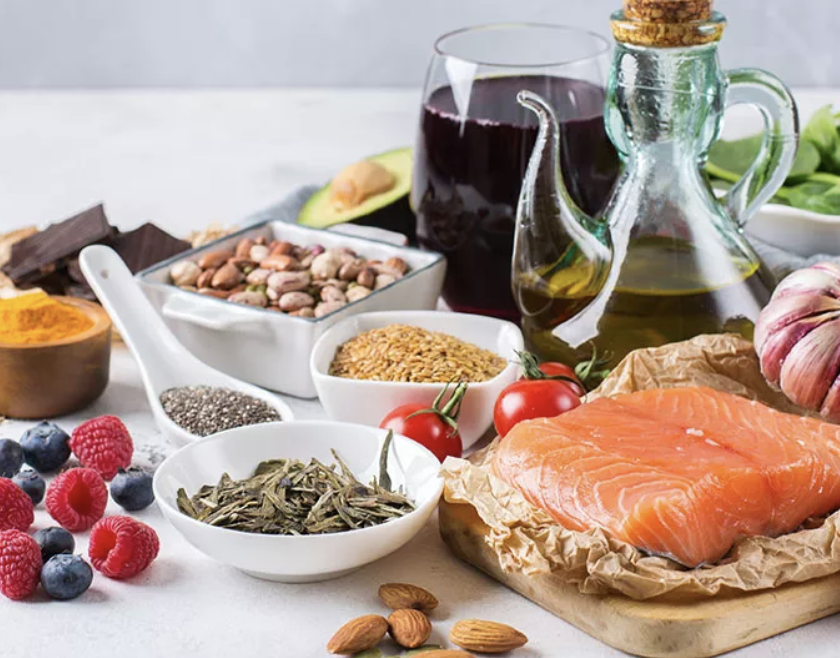
A good snack often combines staying power with convenience. Something with protein, fiber, or healthy fat can help you feel fuller for longer than a quick sugar rush on its own. Yogurt with fruit, nuts with a banana, crackers with peanut butter, or a simple cheese and apple pairing can work well for many people. These options are easy to keep around and easy to enjoy without turning them into a big project. When snacks are balanced and easy to access, they can support energy instead of creating a cycle of quick highs and dips.
The real magic happens when these three pieces start working together. Better sleep can help you handle stress with more calm. Lower stress can make it easier to wind down at night. Steadier snacks can prevent the energy crashes that make stress feel even worse. This is why the strength stack matters. It is not about chasing a perfect lifestyle. It is about building a system where each part helps the others.
Imagine a regular weekday. You go to bed at a reasonable time, not perfectly, but earlier than usual. The next morning, you feel clearer and less rushed. Because you are not running on empty, you handle a surprise task at work without feeling completely thrown off. Later in the afternoon, instead of grabbing the first thing you see, you choose a snack that actually keeps you going. That one day may seem ordinary, but it shows how strong habits are built. One supportive choice often leads to another.
It is also important to keep this stack flexible. Life changes. Some weeks are smoother than others. There will be nights when sleep is short, days when stress is higher, and moments when snacks are more about convenience than balance. That is normal. A strong routine does not require perfection. It only needs a pattern you can return to. The best wellness habits are usually the ones that still work on busy days, not just ideal ones.
If you want to strengthen your own stack, start small. Choose the easiest place to begin. Maybe that means going to bed twenty minutes earlier, keeping one dependable snack nearby during work hours, or taking a short pause before reacting to stress. Pick one action that feels realistic now, not one that sounds impressive on paper. Small wins build confidence, and confidence makes consistency easier.
In the end, sleep, stress, and snacks are not random parts of a health routine. They are everyday foundations that shape how you feel, think, and move through your day. When you care for all three, even in simple ways, you create more support for your energy and your mood. That is the real strength stack. It is practical, flexible, and built for real life.